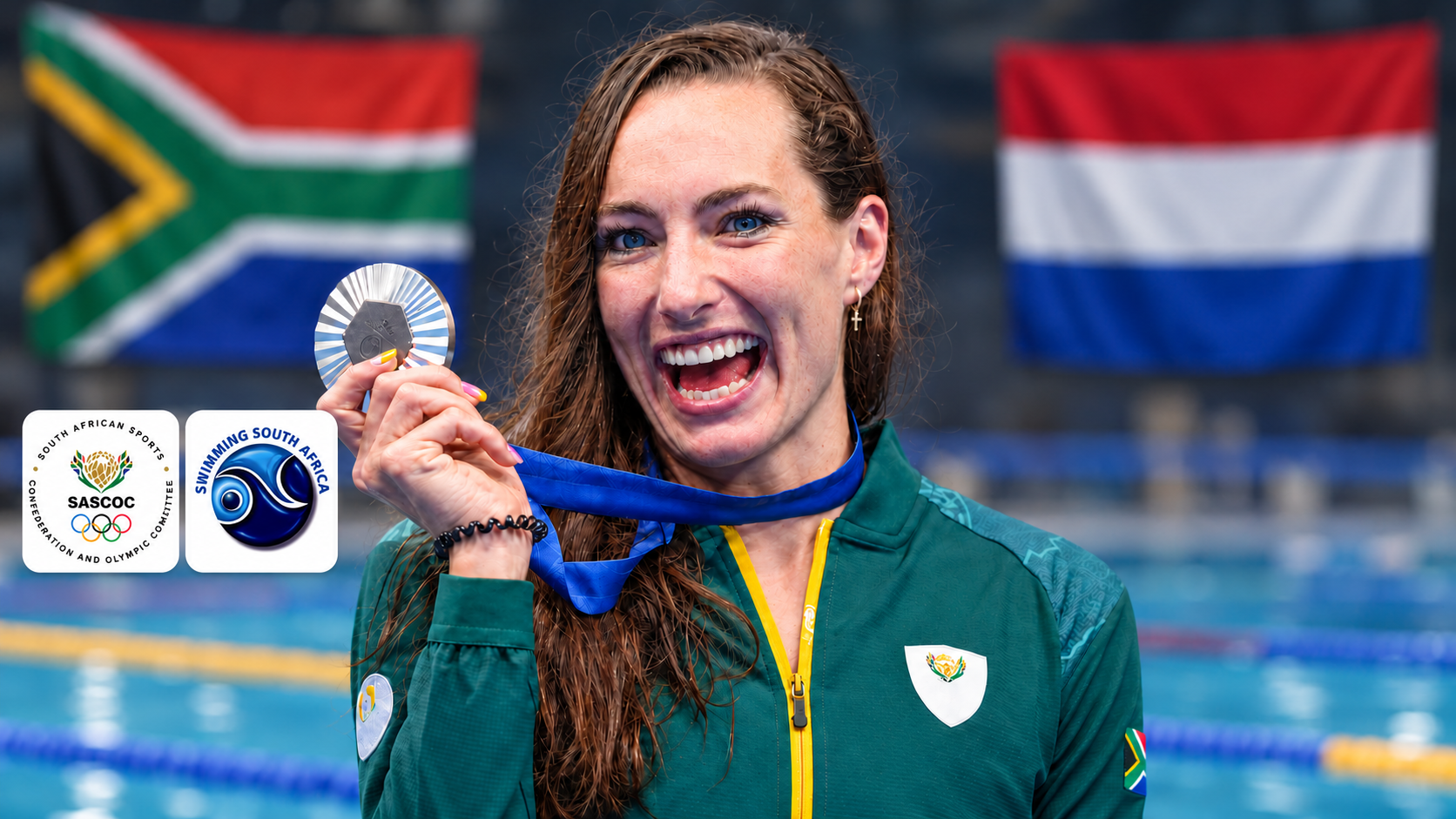
South Africa's sports minister, Gayton McKenzie, has asked the South African Sports Confederation and Olympic Committee (Sascoc) to investigate Swimming South Africa (SSA), including how its sponsorship agreement with kit brand Arena works, what penalties were levied and who paid them. He announced the move on 17 November, days after double Olympic champion Tatjana Smith's switch to the Netherlands became public. Sascoc has promised preliminary findings within 90 days.
The dispute dates from the 2023 World Championships in Fukuoka, where Smith raced in a suit from her personal sponsor, Speedo. Daily Maverick reports that SSA warned non-sponsored kit would cost €2,000 per heat and €20,000 per final, then invoiced her €46,000 and held back her US$35,000 prize money. The fine has since been withdrawn, and the money was paid after she hired lawyers. SSA's acting president, Zikie Molusi, has said withholding it "shouldn't have happened". McKenzie says Smith never signed the Arena agreement. SSA has reportedly refused to release the contract, citing a non-disclosure clause; its value and term are undisclosed.
Why it matters commercially
Clashes between team sponsors and athletes' personal sponsors are routine in sport. What makes this one significant is that two funding models are now colliding in public. On 18 November McKenzie said government cannot fund every federation, that athletes should find their own sponsors, and that federations should help rather than block them. Yet a federation's kit exclusivity is one of the few assets it can sell, and it loses value if its best-known athlete can opt out. Sascoc says it will now reconsider how national team and individual sponsorships fit together. Arena, meanwhile, has been drawn into a governance row; McKenzie has apologised to the brand.
SIA's view: kit exclusivity is legitimate, but it is only as strong as the consent behind it. A letter on race day is no substitute for terms agreed in advance. Sascoc should use this probe to set a national standard: written athlete terms signed before selection, carve-outs for performance equipment such as race suits, a hearing before any fine, and no deductions from prize money. SSA should also give the investigators the full Arena contract and publish a summary of what athletes are bound by.
What to watch
- This week: Sascoc is due to name its task team.
- 30 November 2026: the special general meeting called by Sascoc.
- Around mid-February 2027: preliminary findings, if the 90 days run from 17 November.
Sources: Daily Maverick, 17 November 2026; EWN, 17 November 2026; EWN, 18 November 2026; EWN, 12 November 2026; eNCA, 11 November 2026; Briefly, November 2026.
Published by the Sports Intelligence Africa editorial team.